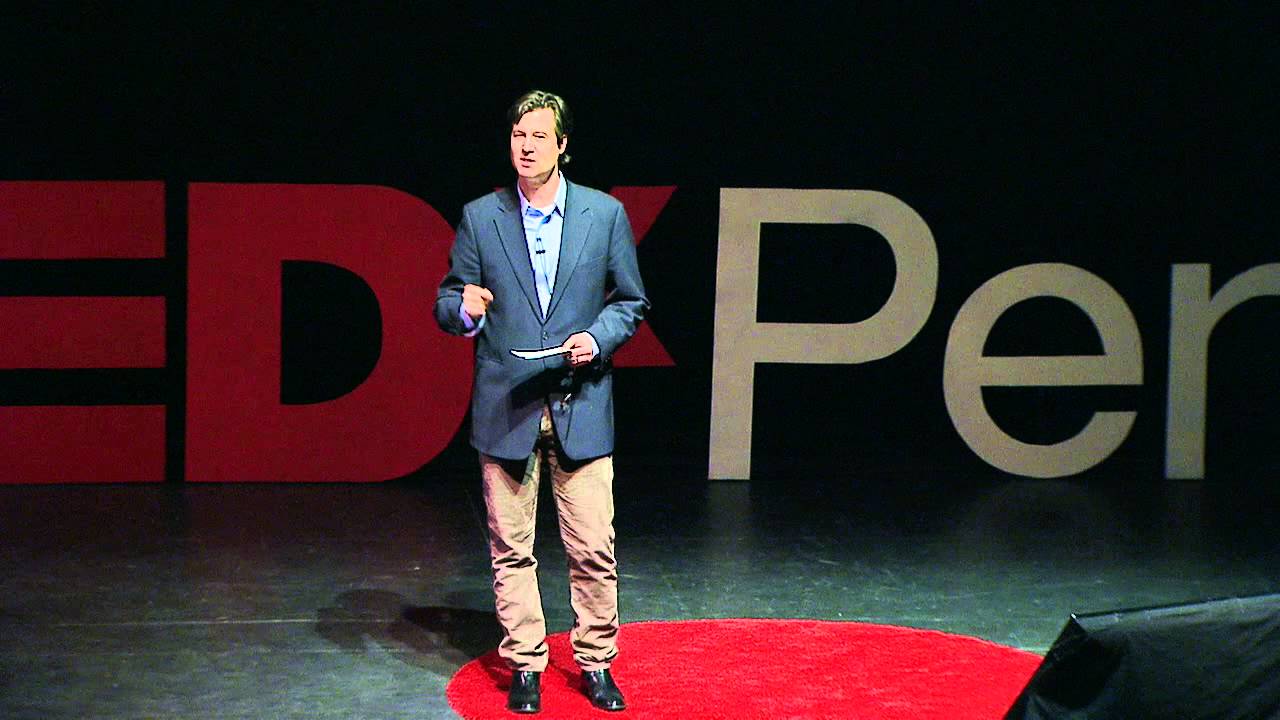
Applying ancient divination to modern intuition
by Peter Struck
Most ancient people were in the habit of imagining that messages from their gods were built into the world around them: in the oracles they consulted, in their dreams, and in the animals they sacrificed. They drew on them to sort out their thinking on knotty issues they faced in their lives, seeing more deeply into the past, present, or future. This talk explores the similarities between these ancient habits of mind and our own modern fascination, attested to in the discoveries of the cognitive sciences that lay behind books like Malcolm Gladwell's. Peter Struck is Associate Professor of Classical Studies at the University of Pennsylvania. His research engages with the history of the construction of meaning, in divination and in ancient notions of the organism. In 2004, he won Penn's Lindback Award, the university's highest award for teaching. Currently, he is writing about the applications of Greek and Roman divination in "Divine Signs and Human Nature: A Cognitive History of Divination in Antiquity".
Watch on TEDTarot Mapping
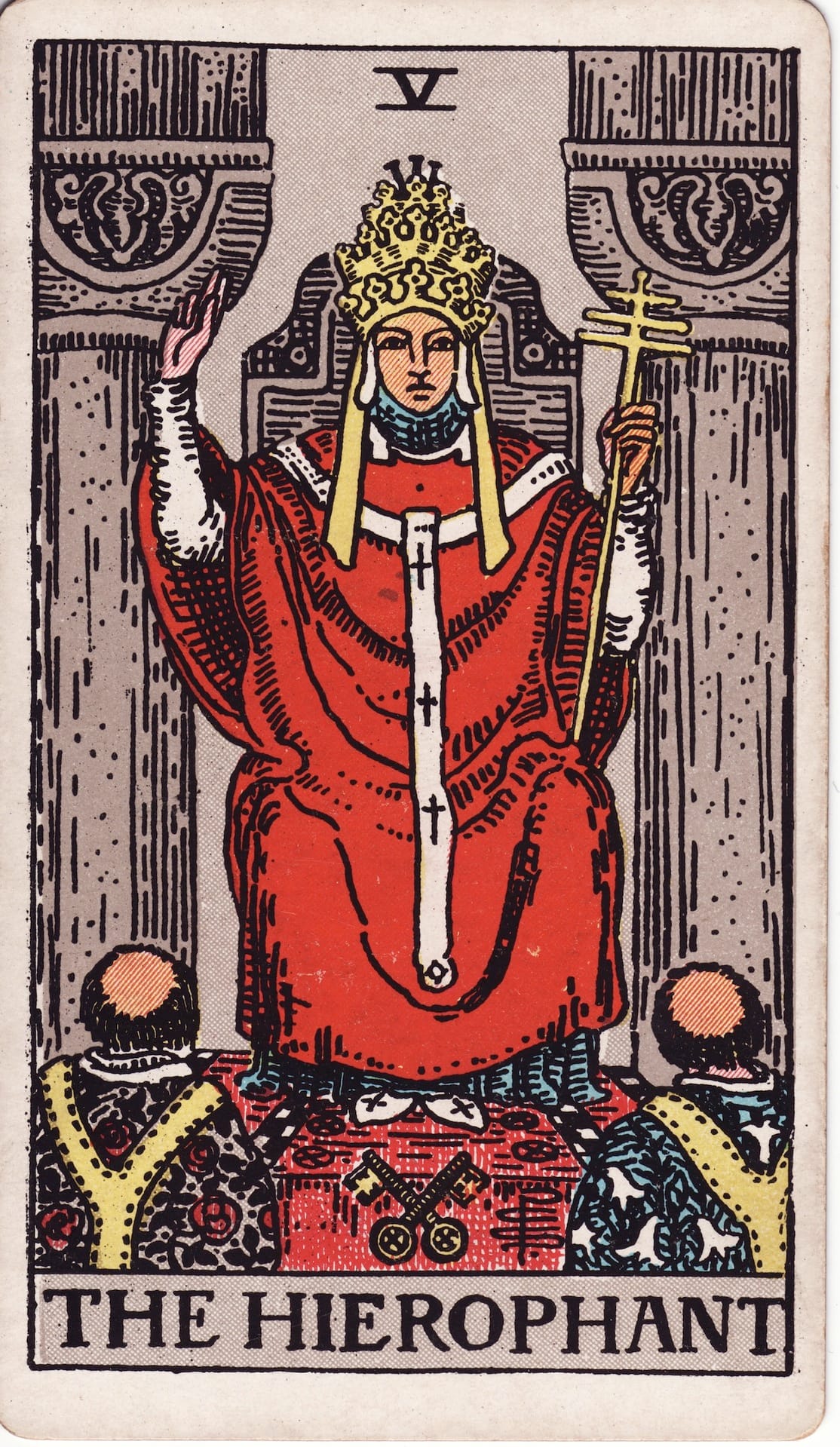
The Hierophant
The Hierophant acts as a bridge between the divine and the human, representing established traditions, spiritual teachings, and the structures of belief. He signifies the importance of learning from history and finding meaning within a community or system.
Why This Mapping?
The Hierophant is a strong home for this talk because the talk isn’t really “about magic.” It’s about how cultures build legitimate ways to handle the unknown...and how those ways get transmitted, practiced, and interpreted across generations. Struck is treating divination like a social technology: a codified practice with roles, settings, rules, and interpretive norms. That’s pure Hierophant energy.
▶READ MORE ABOUT WHY THIS MAPPING...
Reflection Questions
- •What traditions or beliefs am I following out of habit rather than conviction?
- •How can I seek guidance or mentorship for my current situation?
- •Where do I need to challenge the status quo and find my own truth?