Does Money Make You Mean?

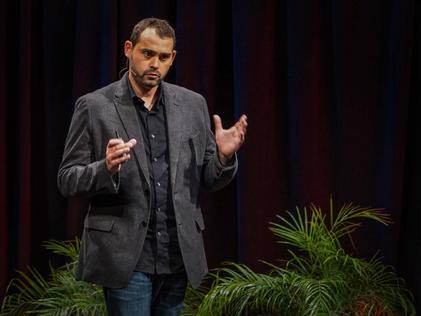
Paul Piff

TarotTED
Does Money Make You Mean?

Does Money Make You Mean?

by Paul Piff

TEDxMarin201316 min

Paul Piff shares research that shows how wealth can make people less compassionate and more entitled.

Watch on TED

Tarot Mapping

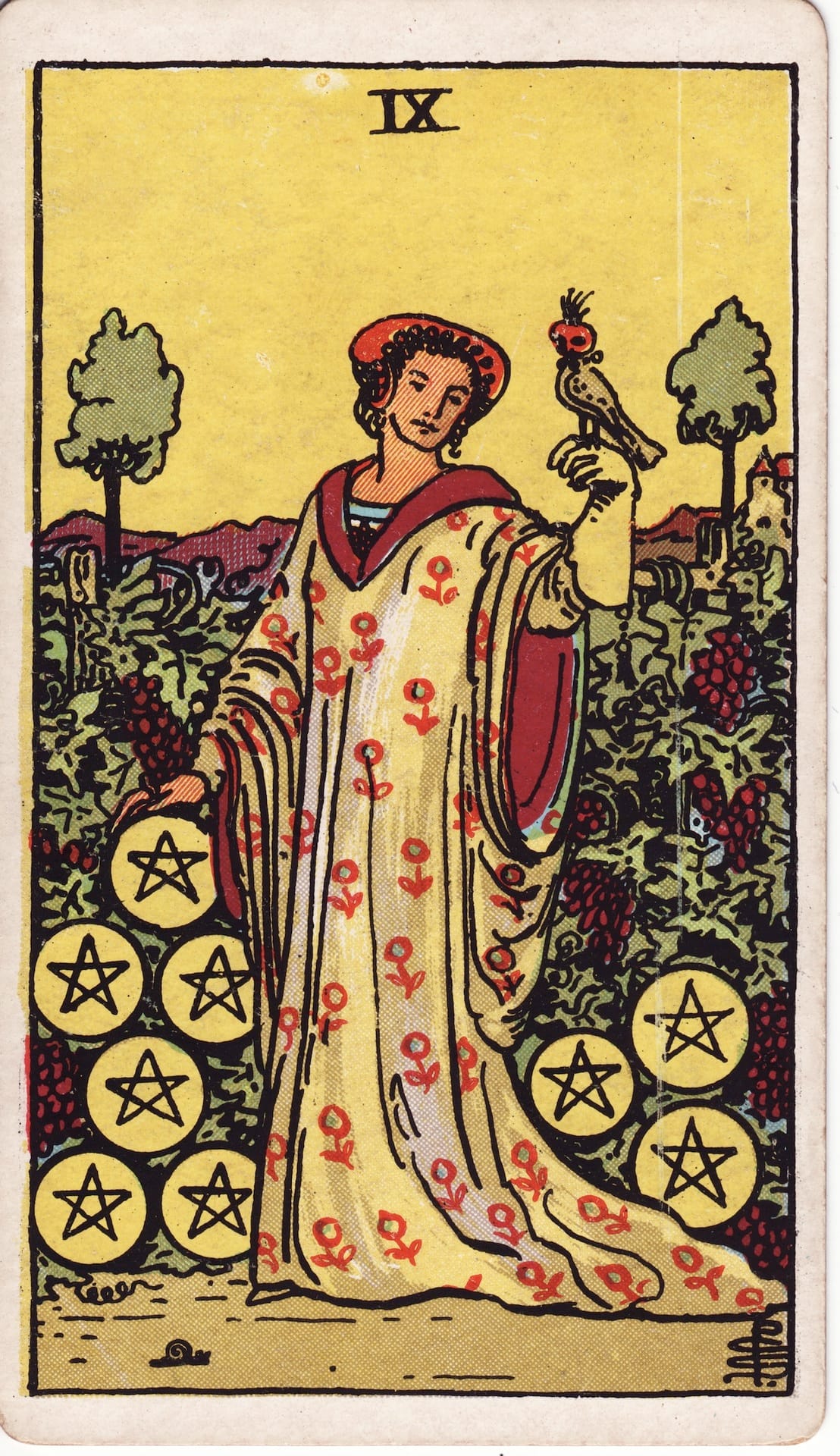
Nine of Pentacles

Nine of Pentacles

The enjoyment of material success and independence, achieved through discipline and self-reliance.

independenceluxuryself-sufficiencyrefinementdisciplineenjoymentsolitude

Why This Mapping?

The Nine of Pentacles enjoys independence and luxury. Paul Piff examines self-sufficiency and what wealth reveals about us.

Reflection Questions

  • Where in my life do I feel most independent and self-sufficient?
  • How can I better enjoy the abundance I have already created?
  • Am I sacrificing my freedom for material security?
Four of Pentacles

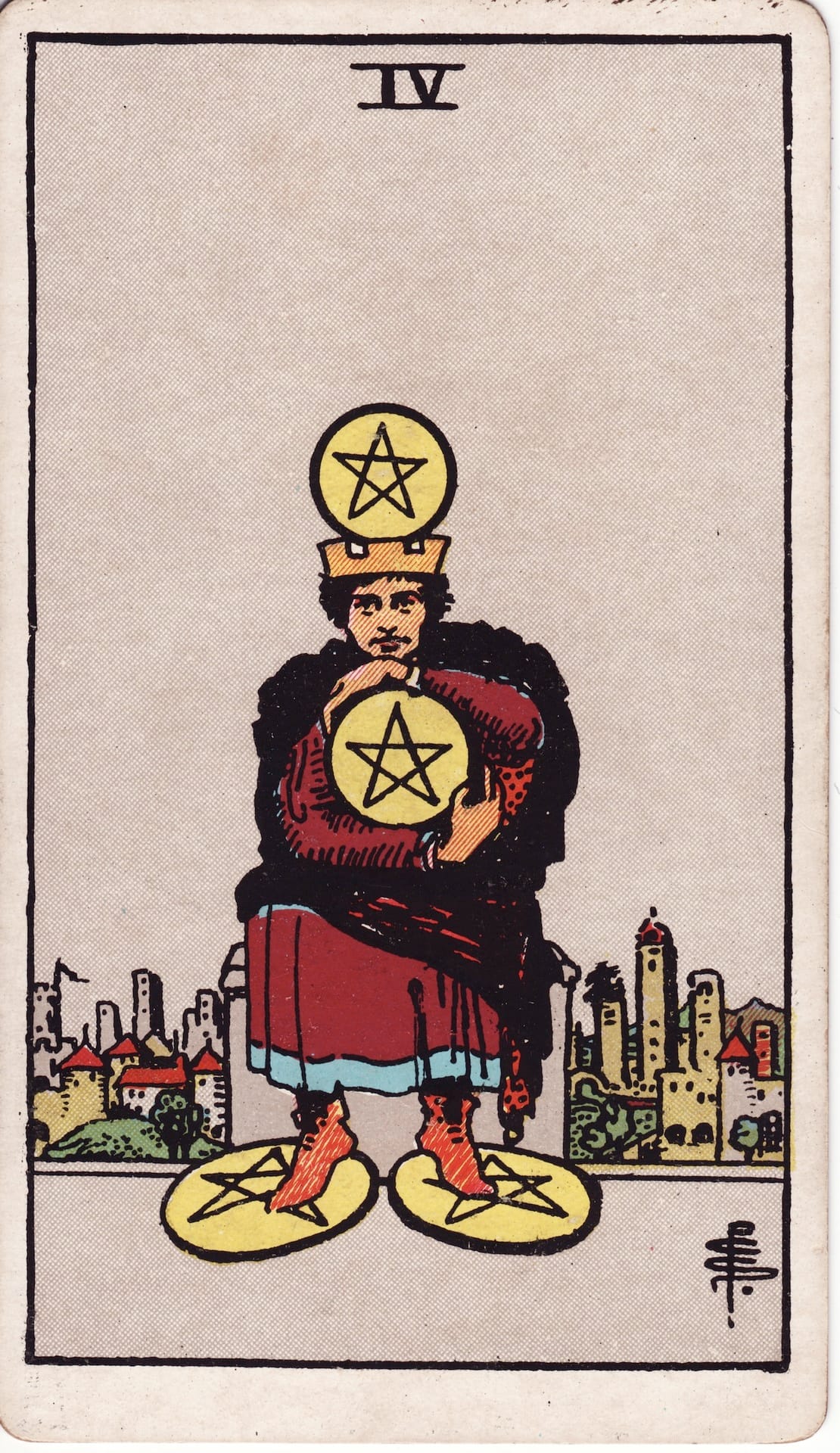
Four of Pentacles

The desire to hold onto resources and maintain stability, often leading to rigidity or a fear of loss.

securitypossessioncontrolstabilityboundariesconservatismblocking

Why This Mapping?

The Four of Pentacles is traditionally known as the "miser card," depicting a figure who possesses material wealth but is "impoverished because of his or her attitude". The card illustrates the psychological trap Piff describes: a state where "scarcity issues are running the show" despite financial abundance, leading the individual to block off their heart and hoard resources rather than connecting with the community.

READ MORE ABOUT WHY THIS MAPPING...
1. The Blocking of Empathy (The "Compassion Gap") Piff argues that as wealth increases, compassion and empathy decrease. In the Four of Pentacles, the central figure is depicted holding a golden coin tightly over their chest. This visual symbolism suggests the figure is "attempting to cover the heart with a shield of gold". By placing material wealth over the heart center, the figure blocks their ability to connect emotionally with others, mirroring Piff’s findings that wealthier individuals are less able to read others' emotions and are less compassionate. 2. Self-Interest and Hoarding Piff’s "Monopoly study" showed that privileged players hoarded resources and acted out of self-interest. The Four of Pentacles signifies "cleaving to that which one has". It represents a person who is "too possessive" over their material wealth. The sources note that this card often appears when "greed, anxiety, and fear" drive a person to hold onto their possessions "so tightly that they can’t make a move". This directly correlates to the "ideology of self-interest" Piff observed in wealthier participants. 3. Isolation from Society In the talk, Piff notes that wealth can isolate individuals from the social contract. The imagery of the Four of Pentacles shows a figure seated apart from the city behind him, "excluding others through his need for personal security". The figure is "so dedicated to staying glommed onto their money" that they separate themselves from the community. This reflects the "miserly attitude" that prevents the wealthy individual from finding happiness through connection. 4. The Solution: Generosity Finally, Piff concludes his talk by suggesting that small "nudges" toward cooperation can restore empathy. The lesson of the Four of Pentacles aligns with this conclusion. The card serves as a warning that the Seeker "must detach from yearnings for earthly power" and is "urged to be more openhearted". The antidote to the state of the Four of Pentacles is to realize that "money is energy" to be shared and recycled, rather than hoarded.

Reflection Questions

  • What am I holding onto so tightly that I cannot move?
  • Where do I need to establish better boundaries to feel secure?
  • How is my need for control limiting my growth?