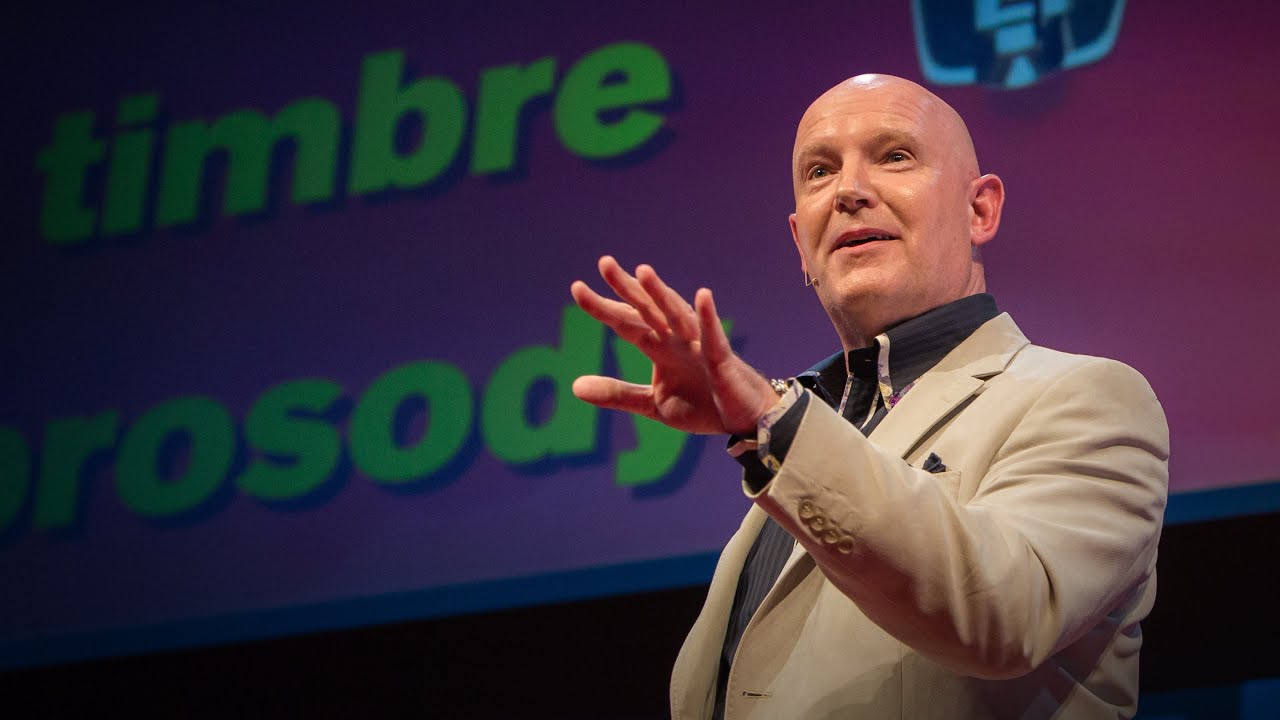
How to Speak So That People Want to Listen
by Julian Treasure
Have you ever felt like you're talking, but nobody is listening? Here's Julian Treasure to help you fix that. As the sound expert demonstrates some useful vocal exercises and shares tips on how to speak with empathy, he offers his vision for a sonorous world of listening and understanding. (Recorded at TEDGlobal 2013 on June 10, 2013) If you love watching TED Talks like this one, become a TED Member to support our mission of spreading ideas: https://ted.com/membership Follow TED! X: https://twitter.com/TEDTalks Instagram: https://www.instagram.com/ted Facebook: https://facebook.com/TED LinkedIn: https://www.linkedin.com/company/ted-conferences TikTok: https://www.tiktok.com/@tedtoks The TED Talks channel features talks, performances and original series from the world's leading thinkers and doers. Subscribe to our channel for videos on Technology, Entertainment and Design — plus science, business, global issues, the arts and more. Visit https://TED.com to get our entire library of TED Talks, transcripts, translations, personalized talk recommendations and more. Watch more: https://go.ted.com/juliantreasure https://youtu.be/eIho2S0ZahI TED's videos may be used for non-commercial purposes under a Creative Commons License, Attribution–Non Commercial–No Derivatives (or the CC BY – NC – ND 4.0 International) and in accordance with our TED Talks Usage Policy: https://www.ted.com/about/our-organization/our-policies-terms/ted-talks-usage-policy. For more information on using TED for commercial purposes (e.g. employee learning, in a film or online course), please submit a Media Request at https://media-requests.ted.com #TED #TEDTalks #speech
Watch on TEDTarot Mapping
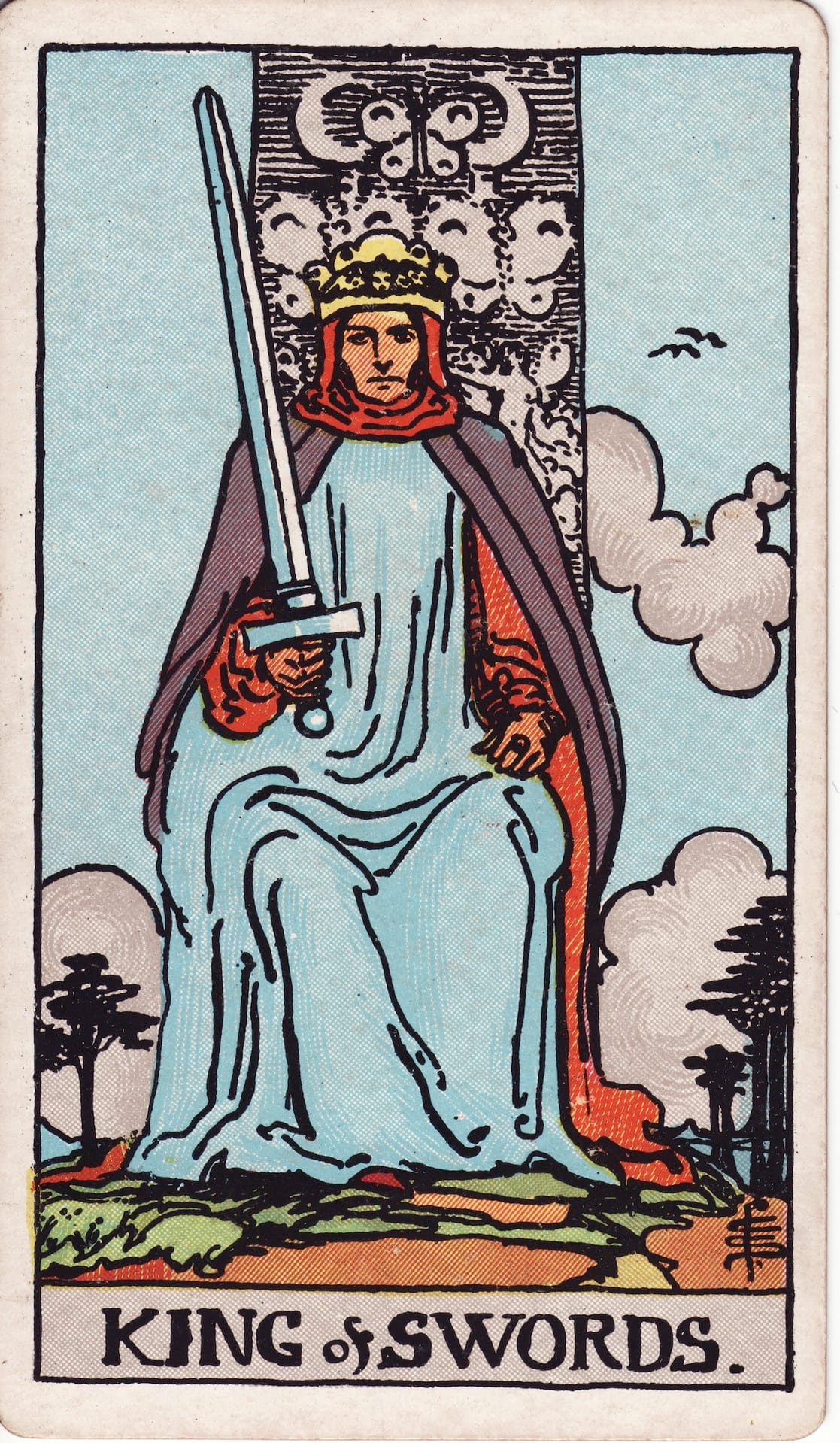
King of Swords
A master of intellect and judgment who rules with fairness, logic, and ethical standards.
Why This Mapping?
The King of Swords is explicitly defined as the "Communicator" and the "articulate" figure of the Tarot, representing a master of language who can find "just the right words to express" himself. Just as Treasure provides a "toolbox" for powerful speaking (register, timbre, pitch), this card represents the "power of life and death" found in the ability to direct attention and communicate ideas with authority and clarity.
▶READ MORE ABOUT WHY THIS MAPPING...
Reflection Questions
- •Where do I need to apply more logic?
- •Am I being fair to myself and others?
- •How can I establish order in this situation?